
Russian satellite stalked ICEYE spacecraft in potentially dangerous on-orbit maneuvers
The Cosmos 2612 came within 500 meters (about a third of a mile) to US-flagged ICEYE-X36 believed to be supporting Ukraine, according to LeoLabs.
The Cosmos 2612 came within 500 meters (about a third of a mile) to US-flagged ICEYE-X36 believed to be supporting Ukraine, according to LeoLabs.

Directed-energy and cyber weapons, as well as bombs targeted on communications hubs, all have potential to disable large satellite constellations, said Lt. Gen. Rick Zellmann, deputy commander of US Space Command.
AI is reshaping the Army’s approach to cyber, electronic warfare and command and control. At TechNet Augusta 2026, leaders outlined how they’re turning emerging technology into capabilities for the battlefield.
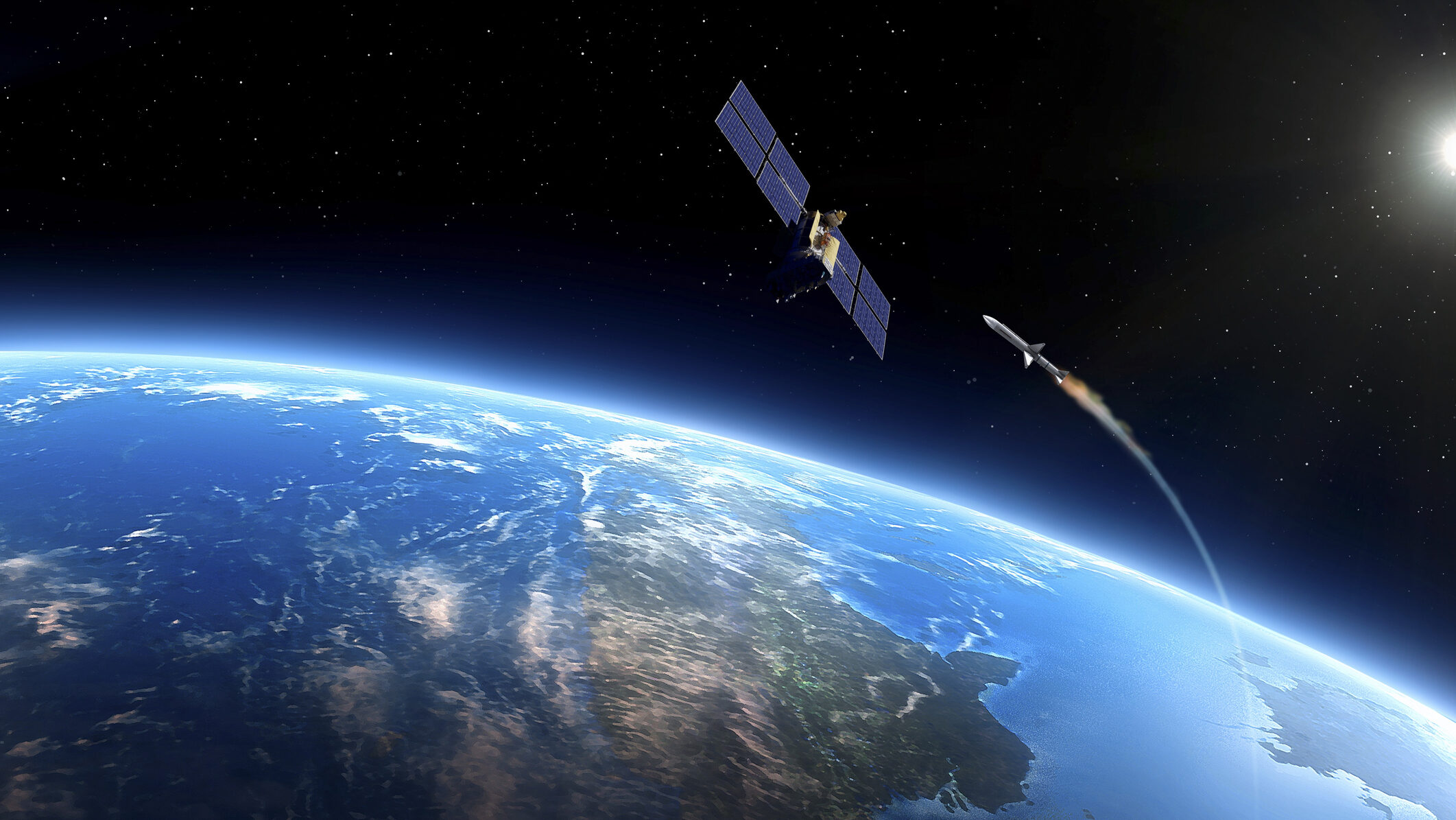
Some decision-making authorities, previously closely held by the president or secretary of defense, have been delegated to US SPACECOM, according to sources, but military space leaders want more freedom to act.

Citing new space-based threats, Rome and Washington pledge to work more closely in orbit and are paving the way for US space launches from Italian soil.
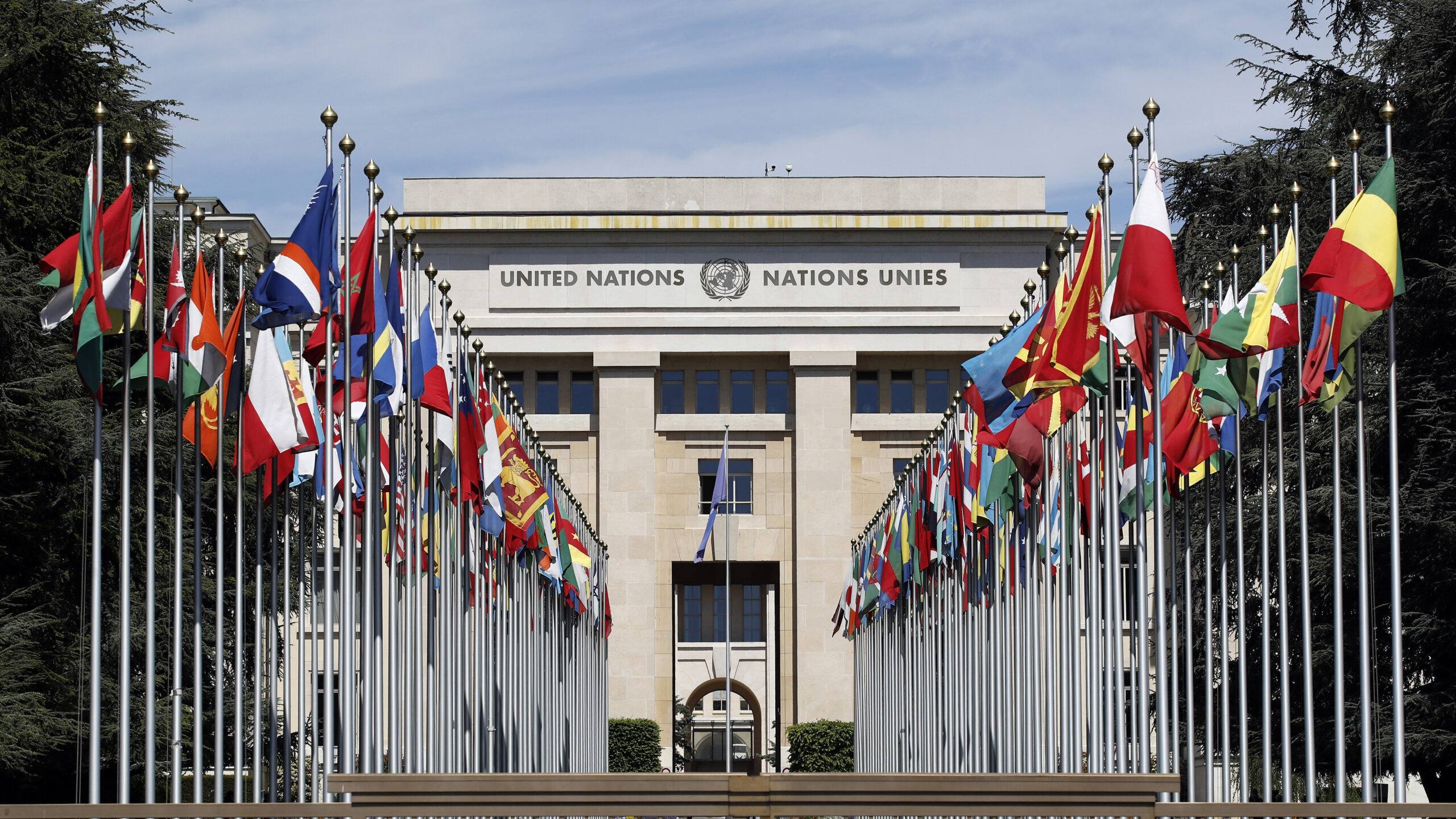
"This paper ... provides a framework that could help ensure that verification challenges are not used as a convenient excuse for giving up on space arms control as an option," writes author Mick Gleason.

Hiding in the sun, launching mini satellites and radar absorbent materials are just some of the tricks nations are using to hide their military satellites in orbit.

"Being able to tell the commander you don't need to do something is actually a pretty powerful message, as well."
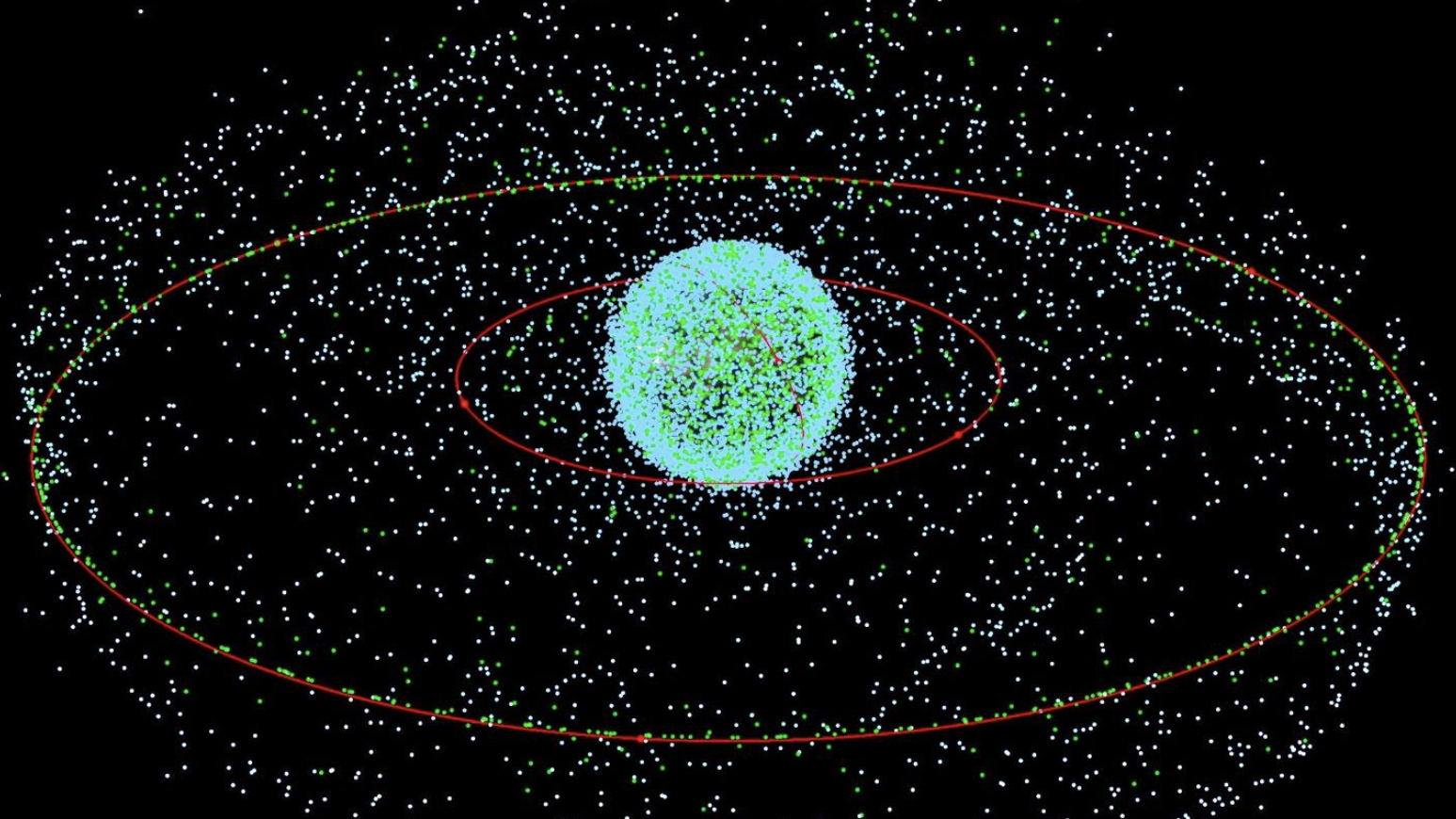
The project is designed "to increase Europe’s independence and superiority in space," the EDF's two-page fact sheet says.

Breaking Defense was given exclusive space tracking information showing the unique path of the Russian system, one experts say is the reason for US government warnings about space-based nuclear weapons.
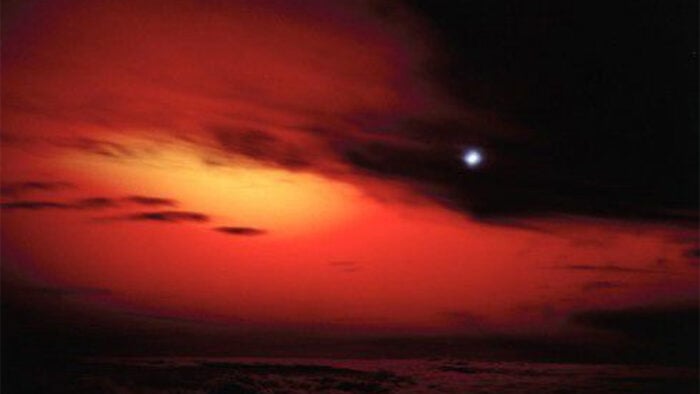
"The United States has been aware of Russia's pursuit of this sort of capability dating back years, but only recently have we been able to make a more precise assessment of their progress," said Mallory Stewart, State Department assistant secretary for the Bureau of Arms Control, Deterrence, and Stability.

"Although Russia would not be expected to vote for a resolution aimed at its own conduct, its response that it is 'against' putting nuclear weapons in space is just vague enough to not quite be reassuring," said Jessica West of Canada's Project Ploughshares.

Army vehicles like Bradley need greater power at the sprocket for speed, braking, and manueverability.

"Nuclear weapons in space are a really, really dumb idea," said Jessica West of Canadian non-profit Ploughshares, but experts note that with Russia, nothing can ever be fully ruled out.

One new working group, led by the UK and US, will focus on norms; the other, led by Russia and China, will draft legal treaty.

Only a small number of nations, including Venezuela, Iran and China, supported Russia's objections, especially its rejection of responsible behavior as a foundation for norms.
"The prospects for complete success in deterrence of hostile attacks on space assets, particularly reversible, nondestructive attacks, are limited," the RAND study cautions.